How to Care for a Maine Coon in Thailand's Climate
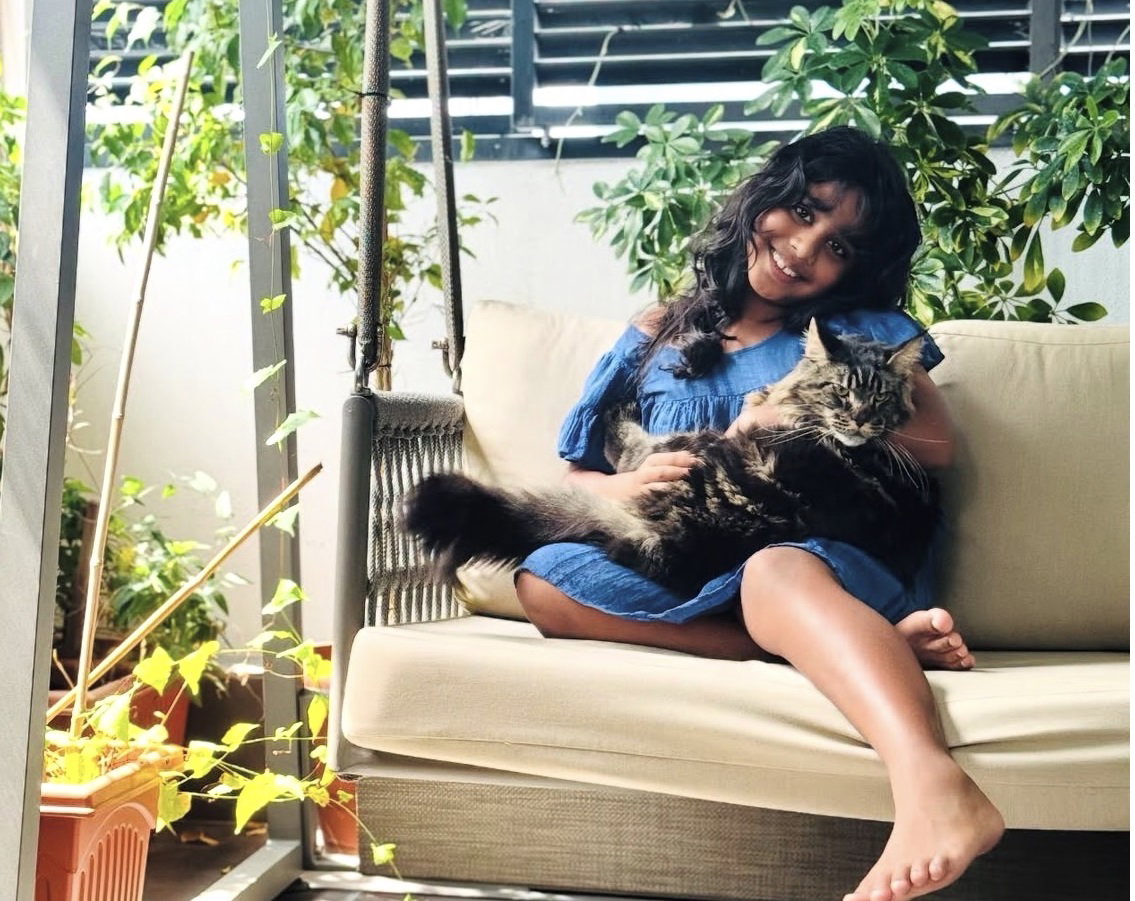
Bringing a Maine Coon home in Thailand is one of the most rewarding decisions a cat lover can make. But if you've just welcomed one of these magnificent gentle giants into your Bangkok condo or Nonthaburi home, you may be wondering — can a breed built for cold northern climates truly thrive in tropical Thailand?The short answer is yes — absolutely. With the right care, environment, and a little know-how, Maine Coons not only survive Thailand's heat, they flourish. After 11 years of raising champion Maine Coons at TigerCoonCat in Nonthaburi, we've learned exactly what these cats need to live their best lives in a tropical home.This is everything you need to know.
Managing Maine Coon Health in Thailand's Heat
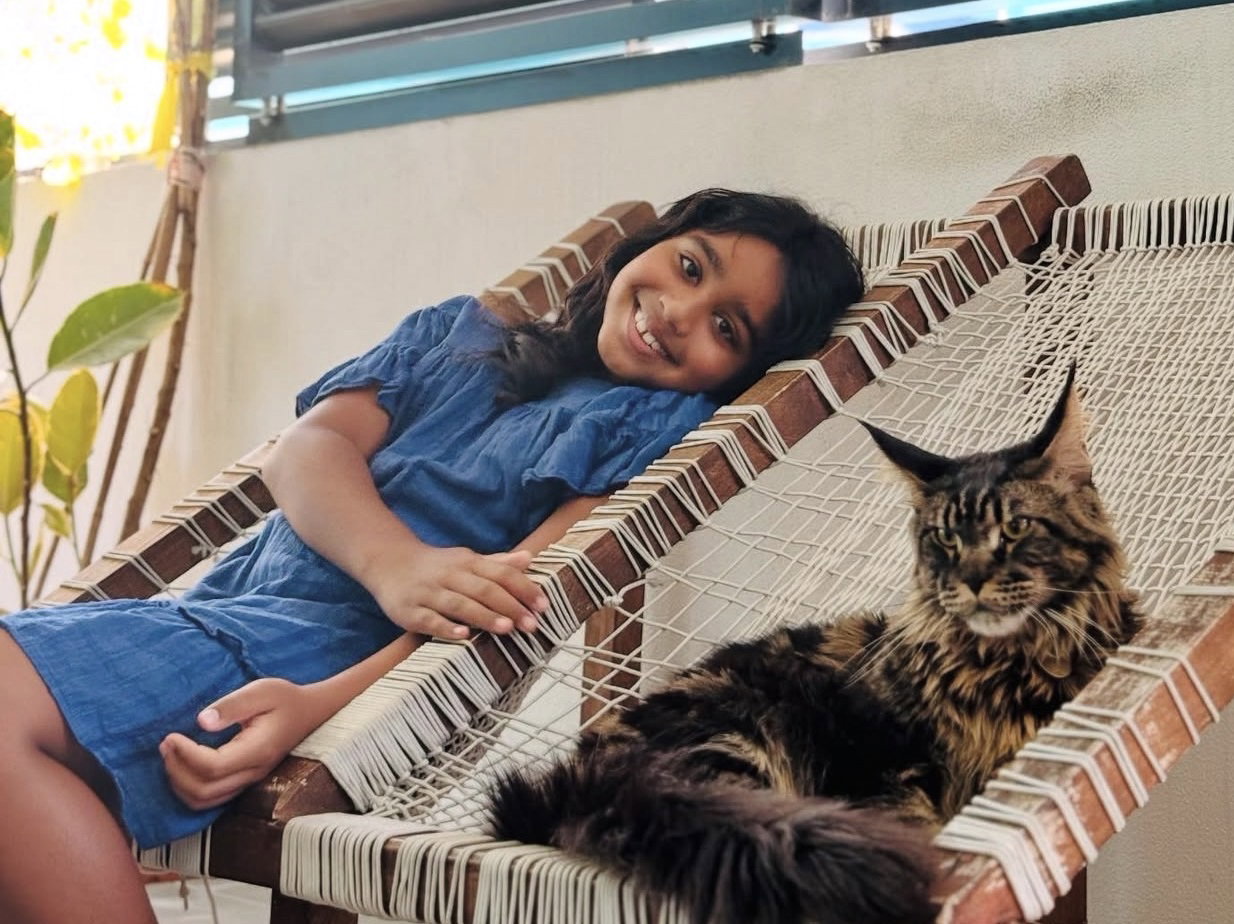
Thailand's tropical climate is the first thing most new Maine Coon owners worry about — and understandably so. Maine Coons evolved in the cold forests of North America, and their thick, semi-long coat reflects that heritage.The good news is that Maine Coons are highly adaptable. The key is creating a consistently cool indoor environment.Ideal temperature for Maine Coons in Thailand:
- Indoor temperature: 22–25°C
- Never above 28°C for extended periods
- Air conditioning should run during peak heat hours (10am–5pm)
Signs your Maine Coon may be overheating:
- Panting or open-mouth breathing
- Lethargy or unusual stillness
- Seeking cool floors (tiles, bathroom)
- Loss of appetite
If you notice any of these signs, move your cat to a cooler room immediately and offer fresh cool water. In serious cases, contact your veterinarian.Practical cooling tips from TigerCoonCat:
- Place a small fan at floor level — Maine Coons love gentle airflow
- Provide a cooling mat or elevated mesh bed for airflow underneath
- Keep fresh water in multiple spots around the home
- Consider a cat water fountain — running water encourages drinking
Maine Coon Grooming in Thailand's Humid Climate
One of the biggest surprises for new Maine Coon owners in Thailand is that grooming is far more manageable than they expected. Despite their magnificent coat, Maine Coons have a silky, low-tangle texture that behaves beautifully — even in humidity.That said, Thailand's heat and humidity do require a slightly more attentive grooming routine than in cooler climates.Maine Coon grooming schedule for Thailand:
| Grooming Task | Frequency |
|---|---|
| Brushing | 1 times per Day |
| Full combing | Weekly |
| Professional grooming | Every 6–8 weeks |
| Ear cleaning | Every 2 weeks |
| Nail trimming | Monthly |
| Dental care | 2–3 times per week |
Brushing tips for Thailand's humidity:
- Brush before bathing — never after, as wet tangles are harder to remove
- Use a wide-tooth metal comb for the undercoat
- Follow with a slicker brush for the top coat
- Pay extra attention to the belly, armpits, and behind the ears — common tangle spots
Bathing in Thailand's climate:Maine Coons benefit from a bath every 4–6 weeks in Thailand's humidity. More frequent bathing keeps the coat fresh and reduces skin issues caused by heat and moisture.
- Use a gentle, cat-specific shampoo
- Ensure the cat is fully dried after bathing — never let a Maine Coon air dry in a humid environment
- A pet dryer on a low, cool setting works best
Maine Coon Nutrition in Thailand — What to Feed Your Cat
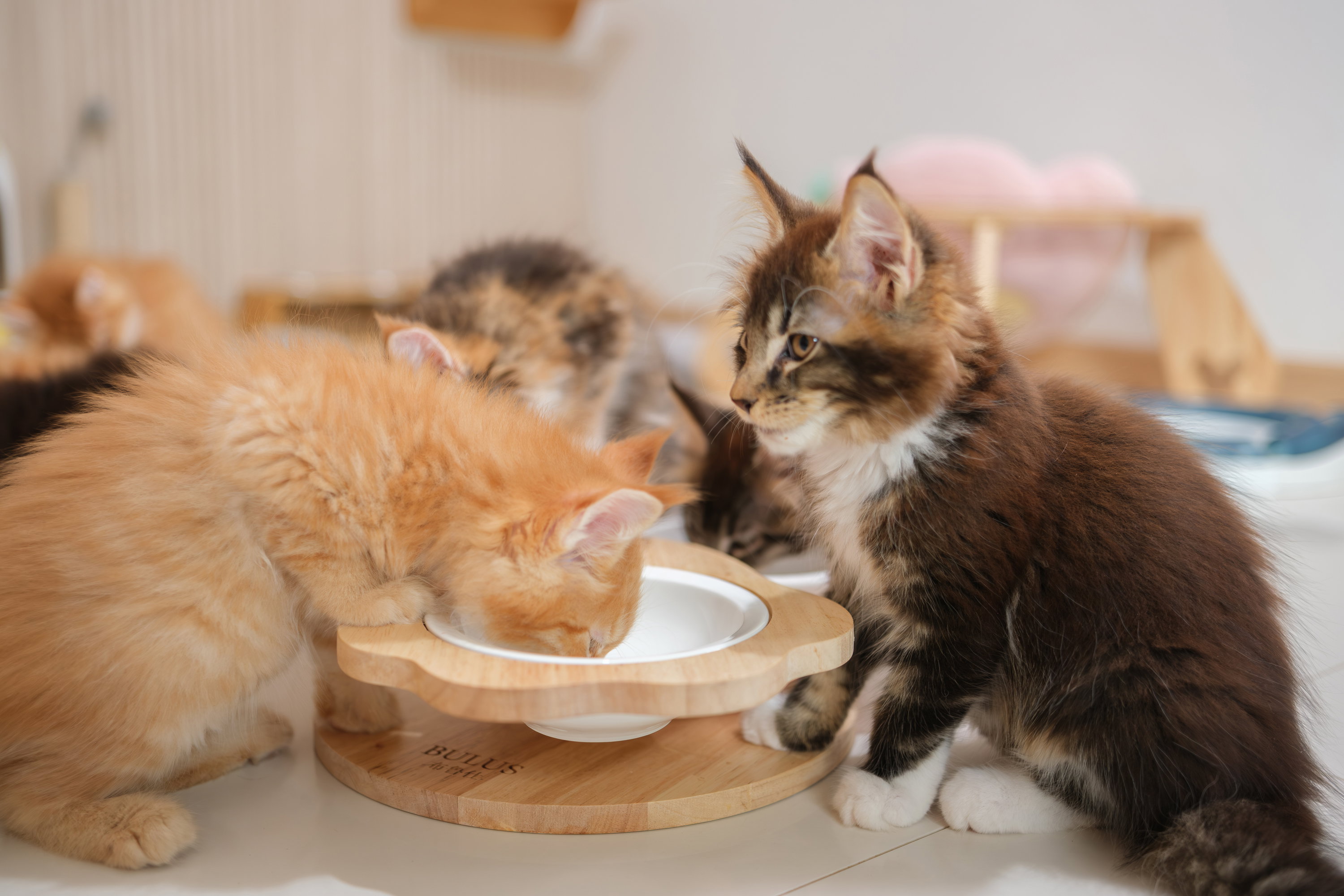
Nutrition is the foundation of a healthy Maine Coon — and in Thailand's climate, hydration becomes especially important. A well-nourished Maine Coon maintains their impressive coat, muscle mass, and immune system regardless of the tropical environment.
Core nutrition principles for Maine Coons in Thailand:Prioritise wet foodWet food is the single most important dietary choice for Maine Coons in Thailand. It provides essential hydration that dry food simply cannot match — crucial in a hot climate where cats are prone to under-drinking.Aim for wet food as 70–80% of your Maine Coon's diet.
Choose high-protein formulasMaine Coons are large, muscular cats that require significantly more protein than average breeds. Look for:
- Chicken, turkey, or fish as the first ingredient
- Minimum 35–40% protein content
- No artificial preservatives, colours, or flavours
Supplement with quality dry foodA premium grain-free dry food can complement wet food — providing dental benefits and convenience. Avoid brands that list corn, wheat, or soy as primary ingredients.Maine Coon portion guide:
| Age | Daily Amount (wet + dry combined) |
|---|---|
| Kitten (3–6 months) | 4–5 small meals |
| Junior (6–12 months) | 3 meals |
| Adult (1–7 years) | 2 meals |
| Senior (7+ years) | 2–3 smaller meals |
Always available:Fresh, clean water at all times. In Thailand's heat, change water at least twice daily.
Maine Coon Exercise & Enrichment in a Bangkok Home
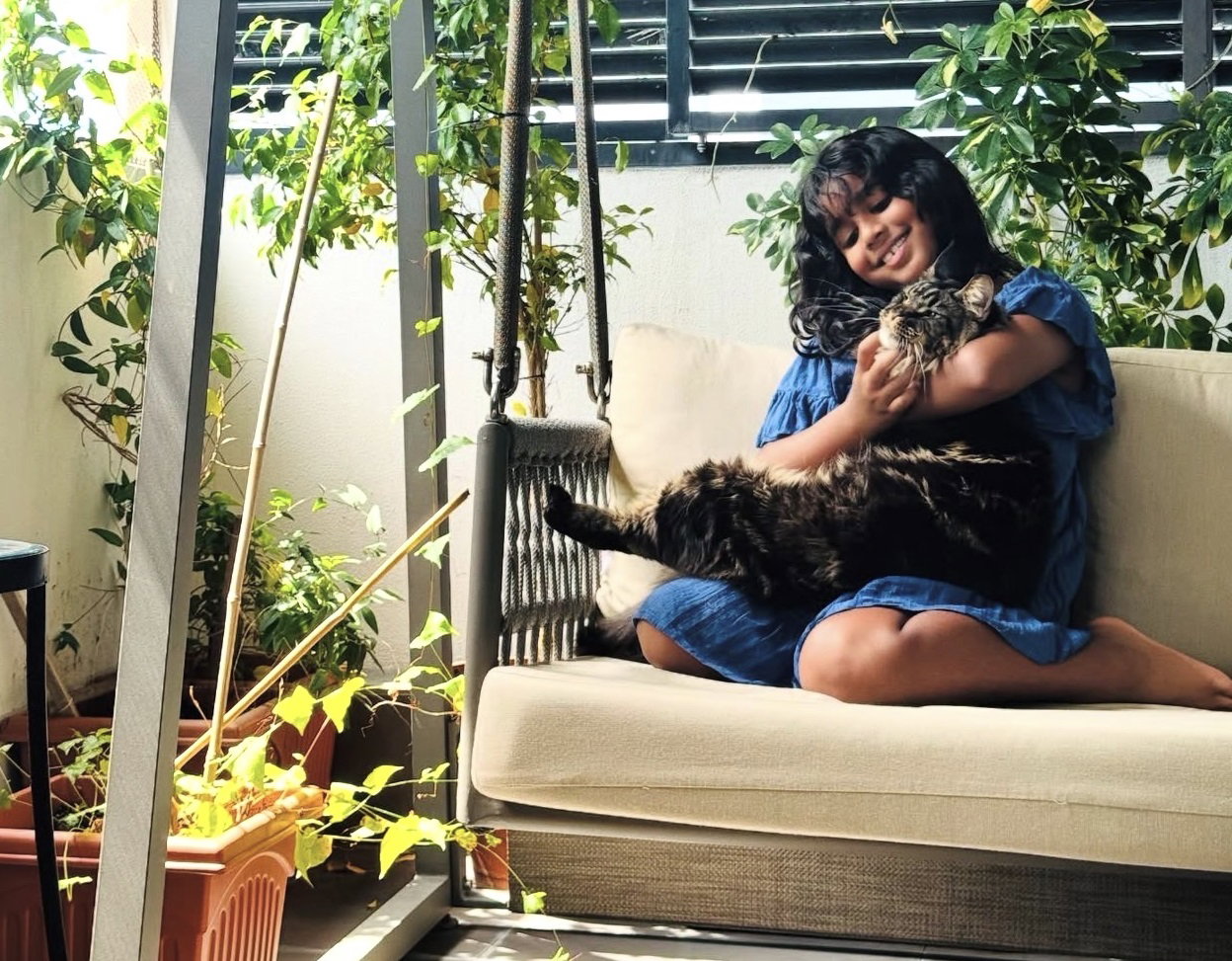
Maine Coons are active, intelligent cats that need both physical exercise and mental stimulation. In Thailand, where most owners live in condos or urban homes, creating the right indoor environment is essential.
Essential enrichment for Maine Coons in Thailand:Cat trees and climbing structures
Maine Coons are natural climbers. A tall, sturdy cat tree is not optional — it's essential. Place it near a window so your cat can observe the outside world.I
nteractive play — dailyCommit to at least 15–20 minutes of active play daily. Wand toys, feather toys, and laser pointers all work brilliantly with Maine Coons, who retain their kitten-like playfulness well into adulthood.
Puzzle feedersMaine Coons are highly intelligent. Puzzle feeders and food dispensing toys engage their problem-solving instincts and slow down eating — beneficial for larger cats prone to bloating.
Window accessA window perch or a safely screened balcony gives your Maine Coon the outdoor sights, sounds, and smells they crave — without the risks of roaming freely in Bangkok's urban environment.
Maine Coon Health Care in Thailand — Vet Schedule & Vaccinations
Preventive healthcare is the most important investment you can make for your Maine Coon's long life. In Thailand, there are specific considerations every owner should be aware of.Core vaccination schedule:
| Vaccine | Schedule |
|---|---|
| FVRCP (core) | Annually |
| Rabies | As required by law |
| FeLV (if applicable) | Based on lifestyle |
Regular health checks:
- Full veterinary check: every 6–12 months
- Dental check: annually
- Cardiac screening (HCM): annually — especially important for Maine Coons
- Weight check: every 3 months
Parasite prevention in Thailand:Thailand's tropical climate creates a higher risk of parasites than in colder countries. Maintain a strict schedule of:
- Monthly flea and tick prevention
- Deworming every 3 months
- Heartworm prevention if your cat has any outdoor access
Finding a Maine Coon-experienced vet in Bangkok:Not all vets have experience with large pedigree breeds. Look for clinics that specifically list exotic or pedigree cat experience. Several excellent veterinary hospitals in Bangkok and Nonthaburi have Maine Coon-experienced teams.
Setting Up Your Home for a Maine Coon in Thailand
Before your Maine Coon kitten arrives, preparing your home makes the transition smoother for both of you.Essential checklist for Thailand:
- ✅ Air conditioning in main living areas
- ✅ Tall, sturdy cat tree near a window
- ✅ Multiple fresh water stations
- ✅ Cat water fountain (highly recommended)
- ✅ Quality wet food stocked and ready
- ✅ Grooming tools — wide-tooth comb, slicker brush
- ✅ Cooling mat or elevated mesh bed
- ✅ Litter box — one per cat, plus one extra
- ✅ Veterinarian identified before kitten arrives
- ✅ Scratching posts — horizontal and vertical
Why TigerCoonCat Kittens Thrive in Thai Homes
Every Maine Coon kitten raised at TigerCoonCat is born and raised in our home in Nonthaburi — meaning they are already fully accustomed to Thailand's climate from their very first day of life. They know the humidity. They know the heat. They've grown up in air-conditioned rooms, played in Thai homes, and been socialised in the exact environment they'll spend their lives in.This is one of the most significant advantages of choosing a locally raised Maine Coon over an imported kitten — no climate adjustment, no transition stress, just a confident, healthy cat ready to settle into your home.Our parent cats are DNA tested for hereditary diseases, and every kitten leaves us fully vaccinated, microchipped, and health-checked — ready to thrive in Thailand.👉
Meet our available Maine Coon kittens👉 Learn about how to reserve a kitten — TigerCoonCat
Maine Coon Care FAQ — Thailand
Do Maine Coons suffer in Thailand's heat?
With proper air conditioning and care, Maine Coons thrive in Thailand. TigerCoonCat has raised healthy, happy Maine Coons in Nonthaburi for over 11 years — our cats are living proof.
How often should I groom my Maine Coon in Thailand?
Brush once daily and schedule professional grooming every 6–8 weeks. Thailand's humidity makes regular grooming more important than in cooler climates.
What food is best for a Maine Coon in Thailand?
High-protein wet food as the primary diet, supplemented with quality grain-free dry food. Hydration is especially critical in Thailand's climate.
Can Maine Coons live in Bangkok condos?
Absolutely. Maine Coons are highly adaptable indoor cats. With a cat tree, daily playtime, and consistent air conditioning, condo life suits them beautifully.
How do I find a good vet for my Maine Coon in Bangkok?
Look for veterinary clinics that specifically mention experience with pedigree or exotic breeds. Several excellent hospitals in Bangkok and Nonthaburi cater to Maine Coon owners.